Gabimaru vs Chōbei Fight Breakdown: Best Choreography in Hell's Paradise S2
Frame-by-frame analysis of the Gabimaru vs Chōbei fight in Hell's Paradise Season 2 Episode 1. Why this brutal combat scene is MAPPA's technical peak.
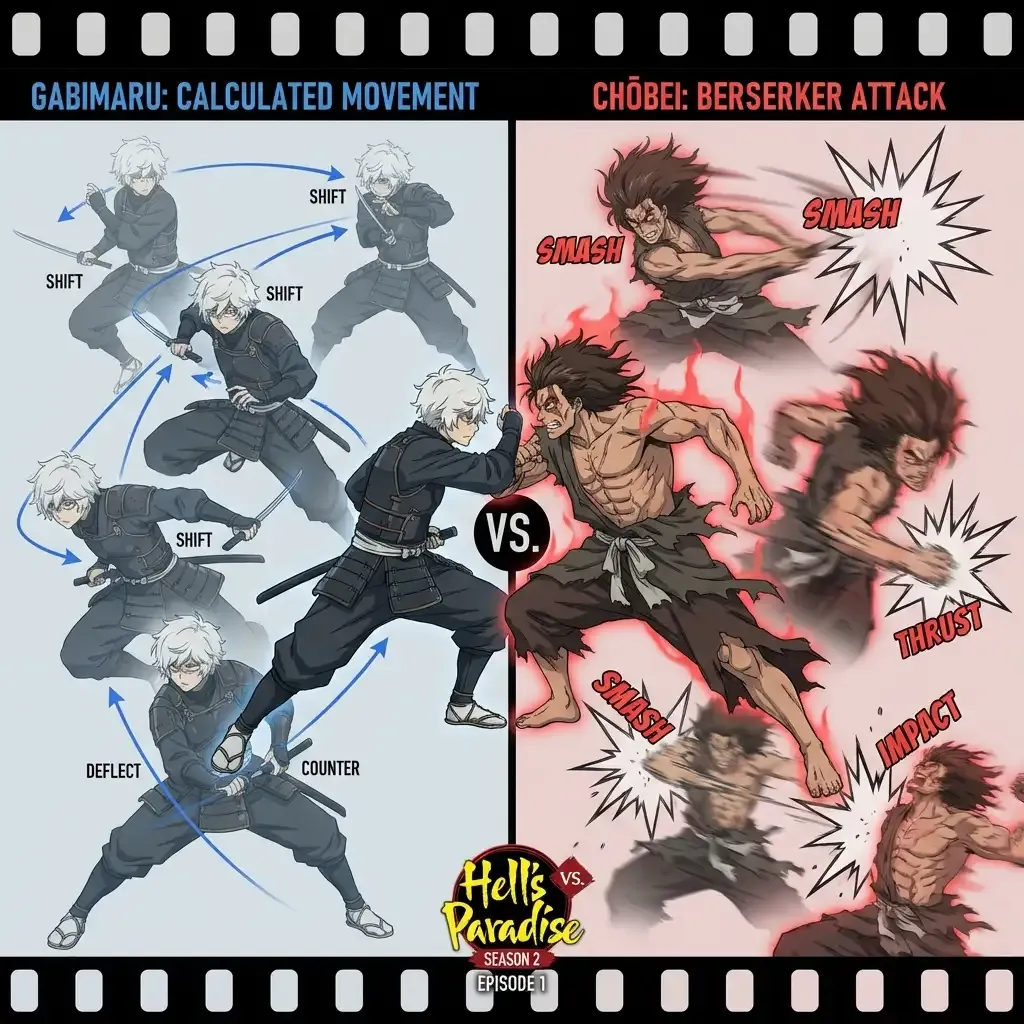
Let's talk about the Gabimaru vs Chōbei fight in Hell's Paradise Season 2 Episode 1. Not in a "wow cool punches" way. I mean really talk about it. The framing, the choreography, the visual storytelling, and why Reddit went absolutely insane over it.
This is the fight that got 2.5k upvotes on r/anime within hours. The thread titled "Season 2 Episode 1 was EVERYTHING! Full breakdown of that insane Gabimaru vs Chobei fight" had hundreds of comments dissecting every frame. People were posting timestamped screenshots, arguing about animation techniques, and comparing it to other MAPPA projects.
So let's do what the internet does best: overanalyze the hell out of a 4-minute fight scene.
| Technical Specs | Detail |
|---|---|
| Original Creator | Yuji Kaku |
| Studio | MAPPA |
| Format | TV Series (Season 2, Episode 1) |
| Streaming | Crunchyroll |
Score: 8.7/10
Pros: Predator vs berserker framing, monstrous Chōbei design is horrifying, tight close-ups on calculated movements, sound design elevates every blow
Cons: Some janky in-between frames, compositing issues make certain shots feel flat, not Chainsaw Man-level fluidity
The Setup: Why This Fight Matters
Gabimaru is a trained assassin. Calculated. Efficient. The kind of guy who could kill you five different ways before you finished blinking.
Chōbei, on the other hand, just transformed into a grotesque, monstrous abomination. All raw power, zero strategy. He's not trying to outthink you; he's trying to erase you from existence through sheer violence.
This is a classic predator vs berserker dynamic, and MAPPA understands that. The choreography reflects it. Gabimaru's movements are deliberate, precise. Chōbei's are wild, chaotic, overwhelming. The fight isn't just "who hits harder"—it's a clash of philosophies.
The Choreography: Calculated vs Chaotic
MAPPA frames this fight like a chess match played with bloody knives. Every shot has intent.
Gabimaru's Movements: Economy of Motion
Watch Gabimaru's attacks. He doesn't waste energy. Every strike is aimed at a weak point—joints, tendons, pressure points. He's not trying to overpower Chōbei; he's trying to dismantle him.
There's a shot where Gabimaru sidesteps one of Chōbei's wild swings and immediately counters with a palm strike to the ribs. The camera follows the motion in a tight close-up, emphasizing the precision. You can feel the impact, not because of flashy effects, but because the framing makes you focus on the mechanics of the strike.
This is smart animation. Instead of relying on sakuga flexing, MAPPA uses cinematic language to convey skill. Tight shots = precision. Wide shots = chaos. And when Gabimaru fights, the camera gets intimate.
Chōbei's Aggression: Overwhelming Force
Chōbei, meanwhile, is shot with wide, sweeping camera movements. His attacks take up the entire frame. When he swings, the background blurs. The sound design amplifies every hit with bone-crushing thuds.
There's a moment where Chōbei literally charges through the environment, destroying stone pillars like they're made of paper. The camera pulls back to show the scale of destruction. This isn't a fight anymore; it's a natural disaster with fists.
And here's the genius part: MAPPA makes you feel the difference in fighting styles through framing alone. Gabimaru's shots are controlled, measured. Chōbei's shots are visceral, overwhelming. You don't need dialogue to understand who's in control at any given moment—the camera tells you.
The Monstrous Transformation: Design Breakdown
Let's talk about monstrous Chōbei. Because holy hell, MAPPA didn't hold back.
The design is horrifying. Not in a cheap jump-scare way, but in a "this used to be human and now it's wrong" way. His proportions are distorted—too-long limbs, too-wide jaw, muscles bulging in places that shouldn't have muscles. It's grotesque, and that's the point.
The way MAPPA animates his movements amplifies the horror. Chōbei doesn't move like a person anymore. He lumbers. His attacks are clumsy, brutal, lacking the finesse of his human form. It's a visual shorthand for "this transformation came at a cost."
And the gore? Detailed. When Gabimaru lands a strike, you see the impact. Blood splatters. Flesh tears. MAPPA knows their audience wants brutal combat, and they deliver. This isn't sanitized shonen violence—this is visceral.
The Sound Design: Every Hit Lands
Animation is only half the equation. The sound design in this fight is what sells it.
Every punch, every kick, every impact has weight. The thuds are deep, resonant, almost uncomfortably loud. When Chōbei slams Gabimaru into the ground, you don't just see it—you hear the crack of stone, the rush of displaced air.
There's a specific sound effect during Gabimaru's counterattacks—a sharp, metallic shing—that emphasizes the precision of his strikes. It's subtle, but it makes his movements feel surgical compared to Chōbei's blunt-force trauma.
Sound design is one of those things that goes underappreciated in anime discourse, but it's critical to making fights feel real. MAPPA nails it here.
The Flaws: Where MAPPA Stumbles
Okay, time for the bad news. Because as good as this fight is, it's not perfect.
Janky In-Between Frames
There are moments where the animation stutters. Not dramatically, but enough to be noticeable. During one of Chōbei's wide swings, there's a frame where his proportions look off—like the in-between animator rushed the transition.
Reddit users called it out:
"Beberapa frame di fight Gabimaru vs Chōbei terasa kurang smooth dibanding scene lain."
Translation: some frames feel less smooth compared to other scenes. It's not a dealbreaker, but it's there.
Compositing Issues
Sometimes, the characters don't blend seamlessly with the background. There are shots where Gabimaru looks like he's been pasted onto the scene rather than existing in it. It's a compositing problem, and it makes certain frames feel flat.
This is a common issue with MAPPA's output lately. They're juggling too many projects, and quality control suffers. It's not as bad as Season 1's mid-season drops, but it's noticeable if you're paying attention.
Not Chainsaw Man-Level Sakuga
Let's be honest: this fight doesn't reach the heights of Chainsaw Man's best moments. MAPPA's A-team is elsewhere, and it shows. The choreography is good, but it lacks the jaw-dropping fluidity of their peak work.
That said, comparing every MAPPA project to Chainsaw Man is unfair. Hell's Paradise is working with a different budget, a different timeline, and different priorities. It's still a solid fight scene by industry standards.
The Verdict: Best Fight in Hell's Paradise S2 (So Far)
The Gabimaru vs Chōbei fight is the standout moment of Season 2 Episode 1. It's brutal, well-choreographed, and visually compelling. The predator vs berserker framing is smart, the monstrous Chōbei design is horrifying, and the sound design makes every blow feel like it matters.
Is it flawless? No. There are janky frames, compositing issues, and it doesn't quite reach MAPPA's technical ceiling. But for fans of Hell's Paradise, it's exactly what they wanted after a 3-year hiatus.
Reddit went feral over this fight for a reason. It's not just spectacle—it's storytelling through combat. The choreography reflects the characters' philosophies. The framing emphasizes their different fighting styles. The sound design sells the brutality.
Watch this fight if you want to see what happens when animation, sound design, and martial philosophy collide. Skip it if you need every frame to be sakuga perfection.
This is Hell's Paradise at its best: violent, thoughtful, and unapologetically brutal.
You might also like
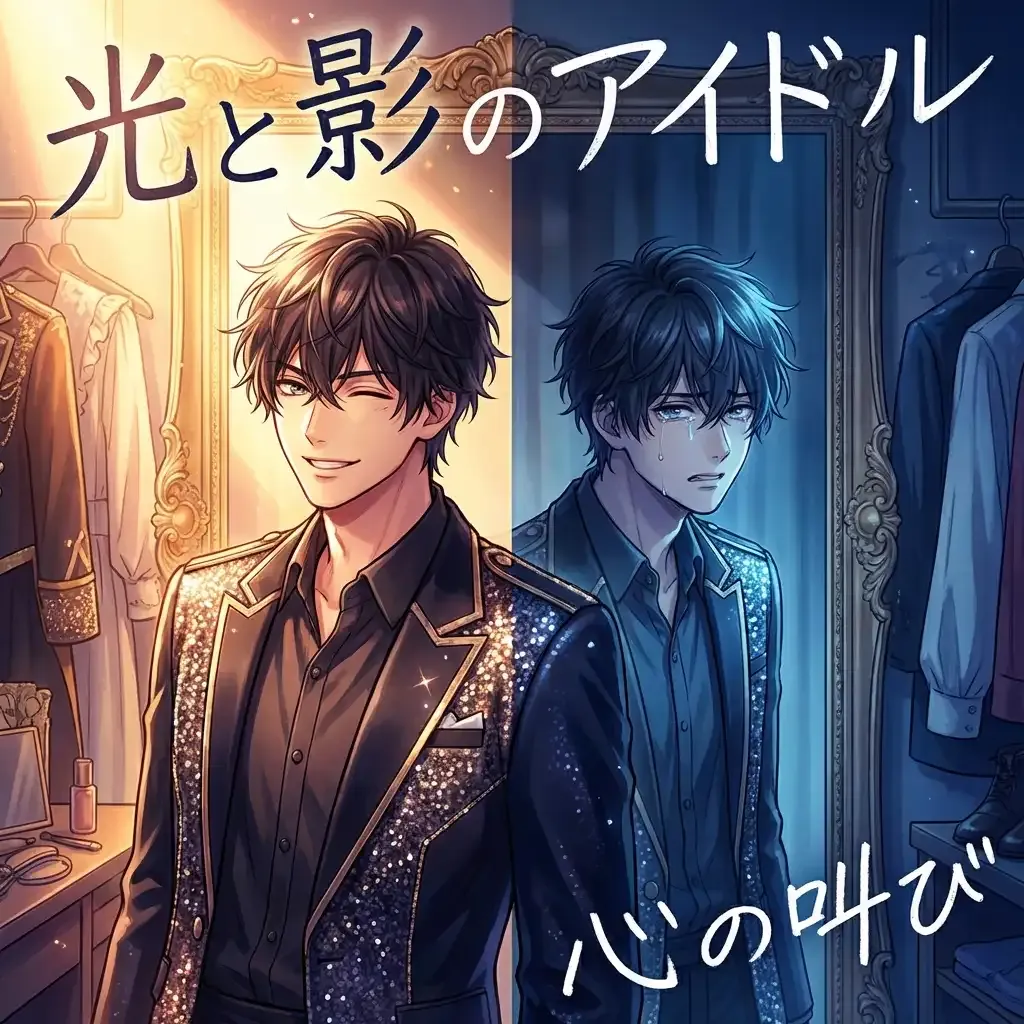
The Psychology of 'Gloomyhara': How Tamon's B-Side Exposes Idol Industry's Dark Side
Behind the perfect smile is crippling anxiety. Tamon's B-Side is the rare anime that shows what happens when the mask slips. Now streaming on Crunchyroll.
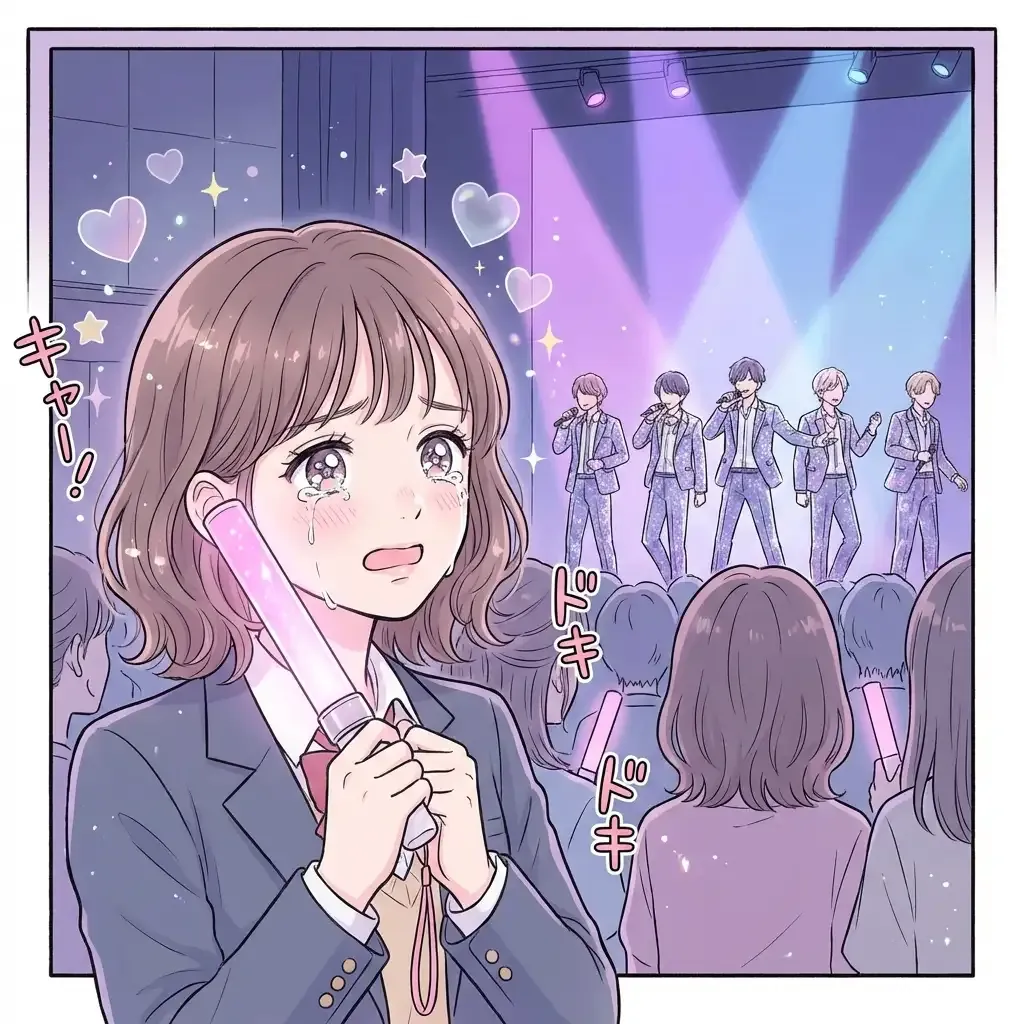
Tamon's B-Side: Why K-Pop Stans Are Obsessing Over This Idol Anime
K-pop fans found their mirror in Utage Kinoshita. Here's why Tamon's B-Side is the must-watch shoujo for every stan in Winter 2026. Streaming on Crunchyroll.
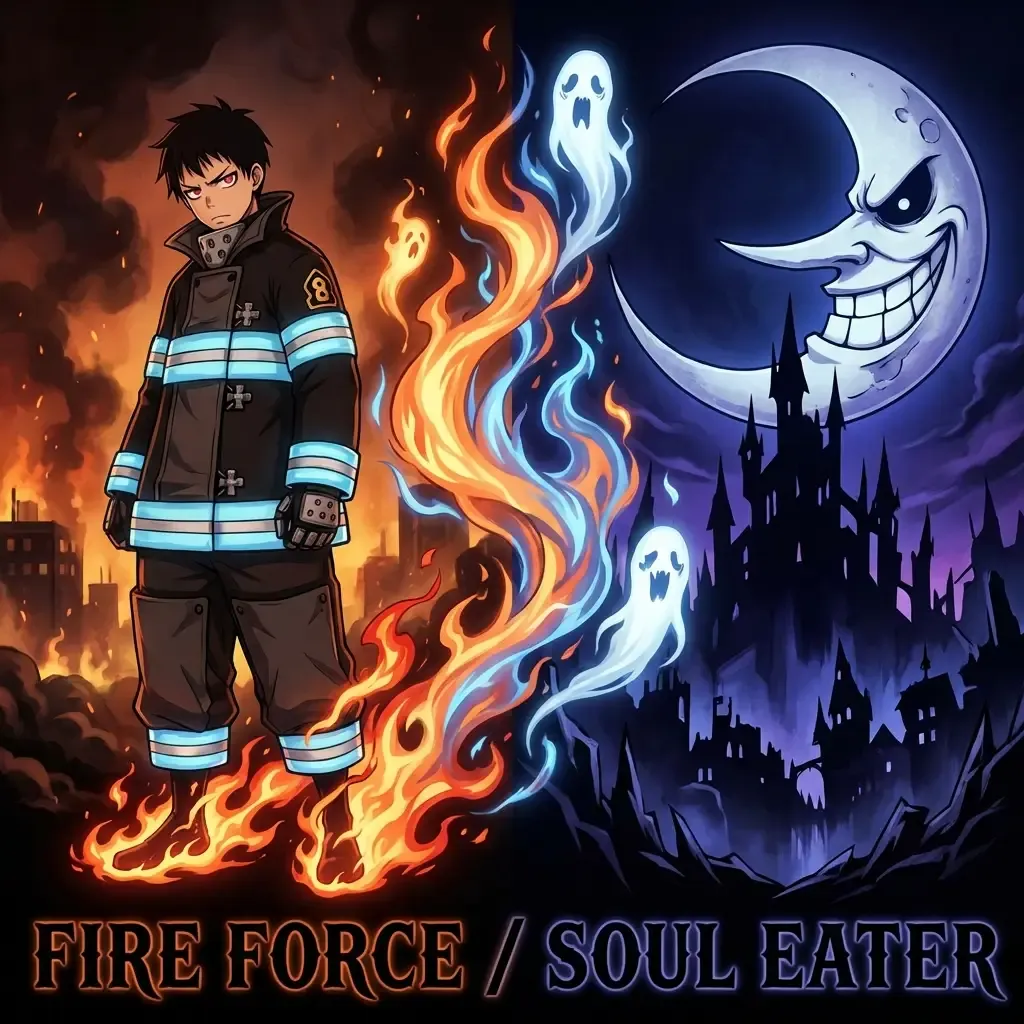
Fire Force x Soul Eater: The Complete Ohkubo Universe Guide You NEED Before Part 2 Ends
Shinra became GOD and created Death. Here's everything connecting Fire Force to Soul Eater—with all the manga confirmations anime-only fans missed. Streaming on Crunchyroll.