Why Borneo Regional 'Hokage' Demands Animators Ditch Generic Tropes For Indigenous Folklore
Kuching South civic leadership challenges Sarawak creatives: stop copying standard Japanese tropes, build global anime rooted in Borneo heritage.
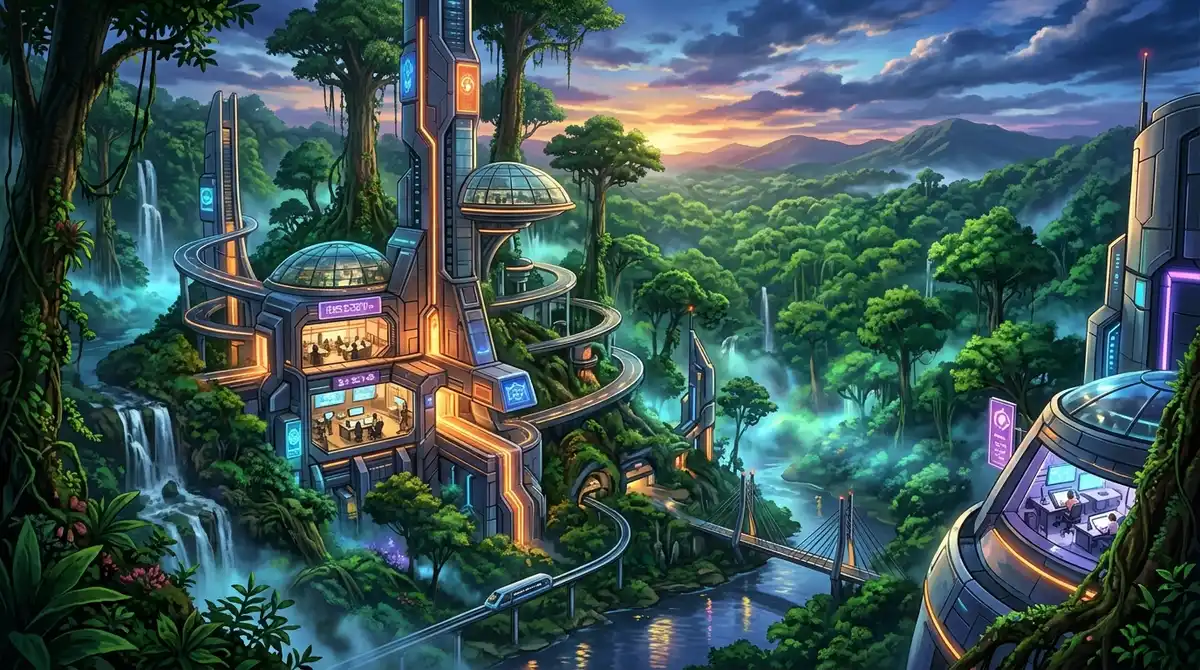
Can municipal politician turn Malaysian Borneo into global animation hub? Kuching South City Council (MBKS) leadership—locally dubbed "Hokage"—calls on Sarawak creative youth build original anime rooted in regional identity rather than consuming foreign imports.
| Technical Specs | Detail |
|---|---|
| Original Creator | N/A |
| Studio | Independent Regional Creatives (Sarawak) |
| Format | Creative Initiative / Industry Call |
| Streaming | N/A |
Breaking Outsourced Labor Trap
Southeast Asia spent decades handling intermediate keyframes, background cleanup, asset grunt work for Tokyo production houses. Regional talent builds overseas prestige, retains zero intellectual property. MBKS leadership push targets exact bottleneck: creative ownership. Pitch demands young artists stop churning derivative fantasy, look directly at indigenous Borneo lore, biodiverse landscapes, regional history.
Borrowing title established by Masashi Kishimoto inside Shonen Jump lore, civic moniker serves tactical purpose. Symbolism links ninja leadership archetype with municipal governance. Real power of the Hokage narrative never came from title alone; story worked because local mythos anchored universe.
Infrastructure Reality Behind Ambition
Cultural intent valid. Execution faces brutal technical realities:
* Production Pipeline: Translating oral folklore into polished sakuga demands dedicated pre-production pipelines, storyboard veterans, compositor networks currently concentrated in Japan, South Korea.
* Capital Deficit: High-tier 2D animation requires sustained funding cycles. Municipal optimism cannot replace private venture capital or government production rebates.
* Distribution Gatekeeping: Global audience capture requires direct licensing deals with international platforms, bypass traditional broadcast bottlenecks.
True animation autonomy requires original IP, not endless subcontract labor for foreign production committees.
You might also like
Slime Stage 3 Rehearsal Photos Reveal How Live 2.5D Theater Adapts the Octagram Arc
Dress rehearsal photos drop for That Time I Got Reincarnated as a Slime Stage 3 as the Octagram arc hits Theater 1010 in Tokyo.
Why Trigun Stampede Ending Changed Everything (And What It Sets Up)
Trigun Stampede finale broke prequel mold. Reconstructed climax sets stage for Trigun Stargaze war.
Boruto 10th Anniversary Trailer Officially Confirms Franchise's Next Anime Era
The Naruto franchise officially confirms a new Boruto anime project in an explosive 10th-anniversary manga showcase.