Why Naruto's Uchiha Clan Lore Runs Deeper Than Surface Shonen Rivalry
Deconstructing the mythological roots behind the Uchiha clan's curse of hatred, from Shinto deities to Vedic concepts.
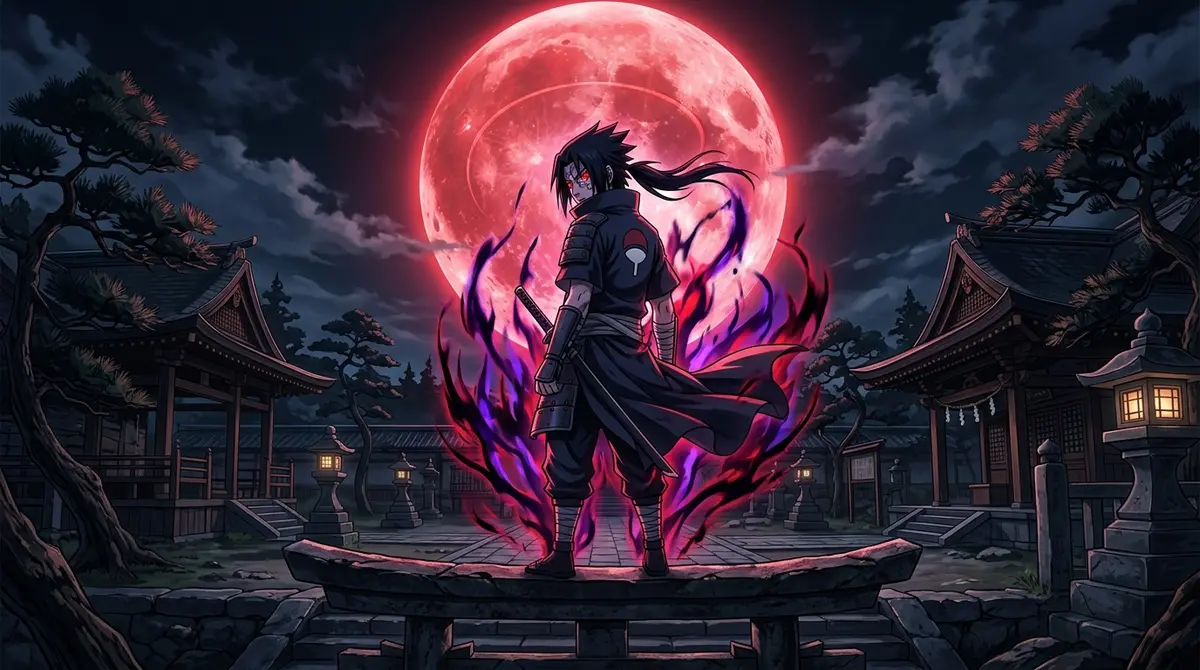
Did Masashi Kishimoto build anime’s most notorious bloodline solely on teenage angst, or did ancient theology do the heavy lifting? Decades after their debut, discourse around the Uchiha bloodline refuses to die because their narrative foundation is anchored in foundational Shinto and Vedic theology rather than standard battle shonen tropes.
| Technical Specs | Detail |
|---|---|
| Original Creator | Masashi Kishimoto |
| Studio | Studio Pierrot |
| Format | TV Series / Manga |
| Streaming | Crunchyroll |
Theological Framework Behind the Sharingan
Kishimoto did not pick names like Amaterasu, Tsukuyomi, Susanoo, Izanagi, and Izanami out of thin air. These pinnacle techniques directly mirror the Shinto pantheon. Amaterasu represents the sun goddess born from Izanagi's left eye; Tsukuyomi embodies the moon god from his right; Susanoo reflects the tempestuous storm god emerging from his nostrils. By mapping these ocular jutsu directly to celestial deities, the Uchiha bloodline was systematically engineered as a lineage cursed by godlike ambition and tragic isolation.
Beyond Japanese folklore, the philosophical framing of the clan touches deeper Dharmic cosmology. The recurring thematic tension—the Samsara-like cycle of conflict, visual metaphors around illusion (Maya), and the burden of karmic retribution—fuels the Uchiha Clan: architecture of tragedy and the curse of hatred. Their power does not awaken through discipline; it awakens through trauma and shattered attachments, mirroring philosophical warnings against obsessive earthly bonds.
The Moral Fracture: Itachi and Sasuke
The dual paths of the clan manifest cleanly in its two surviving prodigies. We see this ideological friction dissected in debates surrounding Itachi Uchiha: the architect of Naruto's greatest tragedy, where self-sacrifice morphs into state-sanctioned slaughter. Itachi accepts damnation to preserve collective balance, fulfilling an ascetic archetype. Conversely, Sasuke Uchiha rejects cosmic balance entirely, letting personal grief mutate into systemic destruction.
This dichotomy explains why the clan continues to dominate retrospective analysis across the industry. The Uchiha are not merely an obstacle for Naruto Uzumaki to overcome; they represent an indictment of a shinobi system built on emotional repression and militarized youth.
Kishimoto gave the Uchiha eyes that perceive all reality, yet cursed them never to see peace.
You might also like
Why Anime Expeditions Crow Build Breaks Meta (And What It Means For Itachi Fans)
Eurogamer drops Crow build guide for Anime Expeditions. Breakdown shows why Itachi archetype dominates combat meta.
Black Clover Season 2 Dub Ends Five-Year Wait (Cast, Crew, Details Revealed)
Black Clover Season 2 English dub launches on Crunchyroll after a five-year hiatus. Full Episode 1 cast, crew, and production specs inside.
Why Naruto's Uzumaki Clan Massacre Exposes the Shinobi World's Darkest Hypocrisy
The Uzumaki clan possessed sealing jutsu so lethal whole nations allied to erase them. Here is how their destruction shaped Naruto's world.