Akane-banashi Volumes 4-6 Review: Shonen Jump's Most Brutal Reality Check Hits Like A Freight Train (9/10)
Akane-banashi Vols 4-6 delivers a masterclass in professional failure. 9/10 review of Shonen Jump's best-written drama.
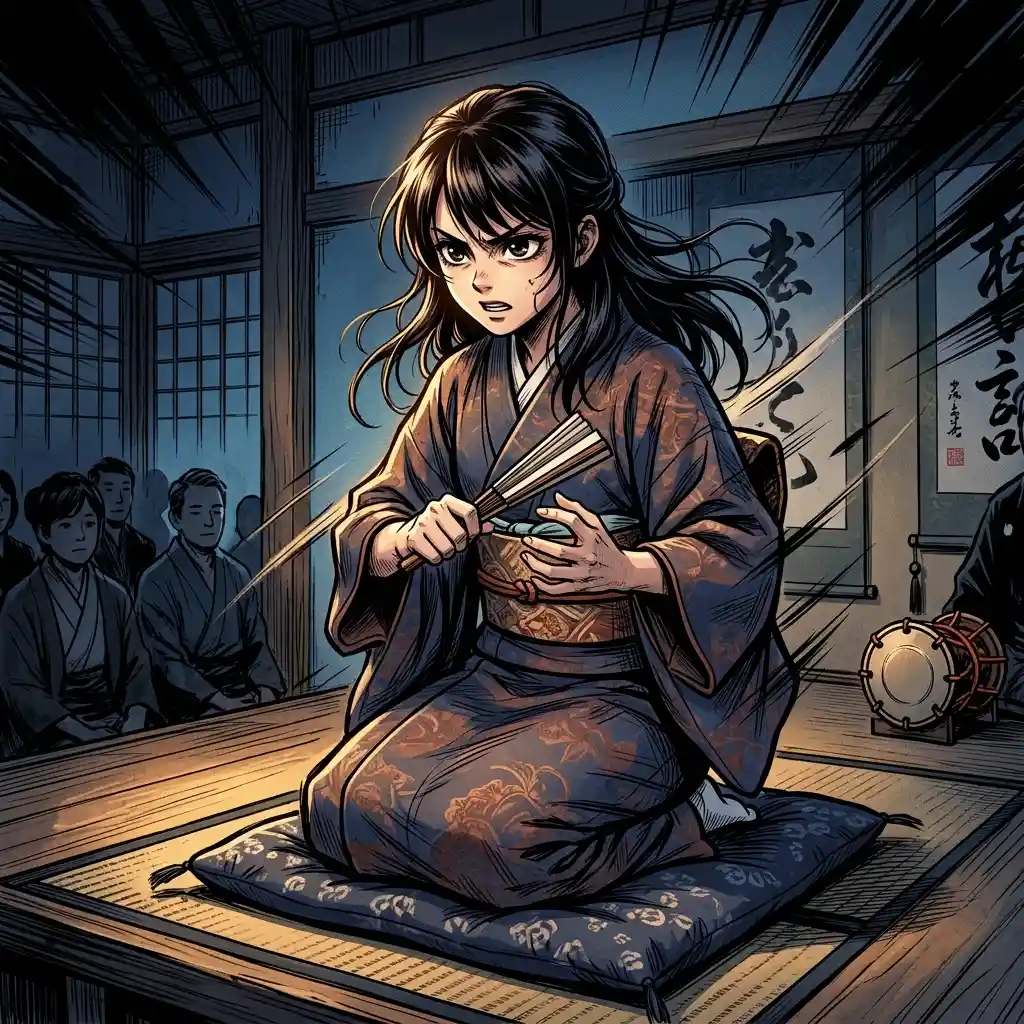
Forget tournament arcs and power-of-friendship cop-outs. Akane-banashi Volumes 4 through 6 do something modern battle-shonen writers are terrified to touch: they let their prodigy eat absolute dirt on a professional stage.
Score: 9.0/10
Pros: Takamasa Moue’s paneling turns talking heads into raw visual violence; zero plot armor; terrifyingly realistic depiction of artistic gatekeeping and workplace hierarchy.
Cons: Secondary zenza rivals get sidelined during the Karashi pivot; pacing drags slightly during the strict backstage etiquette infodumps.
| Technical Specs | Detail |
|---|---|
| Original Creator | Yuki Suenaga (Story) & Takamasa Moue (Art) |
| Publisher | Shueisha (Weekly Shōnen Jump) / VIZ Media |
| Format | Manga (Volumes 4-6, Ch. 27–54) |
| Availability | Shonen Jump App, VIZ Manga, Manga Plus |
The Prodigy Myth Dies On A Wooden Stage
Most modern Jump titles suffer from unearned acceleration. Protagonists pick up generational skills in three chapters, brush off mentors who trained fifty years, and ascend via narrative destiny. Yuki Suenaga rejects that garbage entirely. Volumes 4 through 6 drag Akane Osanai out of cozy amateur exhibitions and shove her into the cutthroat machine of the Rakugo Association as an official zenza (opening act/apprentice).
Her debut is unmitigated disaster. Not because she lacks talent, but because real-world performing arts do not care about raw charisma. The contrast between Akane's juvenile ego and the suffocating rigidity of the rakugo hierarchy creates genuine psychological horror. She bombs because she plays to her own vanity rather than reading room temperature, seating arrangements, and senior masters' tempos. Suenaga strips away Akane's armor layer by layer, forcing her into backstage servitude—cleaning dressing rooms, folding kimonos, fetching tea—where artistic self-expression gets beaten down into obedience.
Panel Panache: Moue Turns Stagnant Monologues Into Sakuga
Drawing people sitting on a pillow talking for twenty pages sounds like visual suicide for shonen. Takamasa Moue solves this by treating Rakugo performances not as passive speeches, but as psychological possession.
Moue’s ink work in Volume 5's Karashi showcase and Akane’s disastrous delivery uses hyper-exaggerated facial topology, aggressive speed-lines, and deep negative space that hits harder than MAPPA's flashiest combat cuts. When a rakugoka speaks, background architecture melts away, replaced by Edo-period hallucination fields where character avatars act out story beats behind the teller. In Volume 6, linework weight thickens drastically during dramatic crescendos; brushstrokes become jagged, frantic, almost tactile. Panel borders break under emotional tension, forcing eye movement into claustrophobic focus points. It is masterclass visual framing without relying on digital distortion crutches.
Structural Brutality: The Karashi & Hikaru Foil Dynamic
The narrative brilliance of Volumes 4-6 lies in Akane's rivals outclassing her in sheer adaptability. Karashi’s modern remix approach to classical rakugo highlights Akane’s dangerous purism, while Hikaru’s predatory media-trained acting background shows how theatrical charisma can bypass decades of traditional discipline. Akane is caught between reverence for her father’s disgraced legacy and ruthless commercial demands.
Suenaga avoids villainizing these competitors. Karashi is not an antagonist to defeat; he is simply smarter at reading modern audiences. Hikaru is not an industry plant; she understands stage presence better than someone who spent years memorizing scrolls in a bedroom. Akane’s realization that talent alone makes her an amateur among professionals gives these three volumes unmatched emotional bite.
Backstage Realism: The Death of Fun
Where the narrative temporarily slows down is its hyper-fixation on apprenticeship logistics. Chapter after chapter details dressing room politics, fan-folding protocols, and senior performer temperaments. It borderlines on administrative handbook reading. Yet even this deliberate friction serves Suenaga’s core thesis: rakugo is not an anime superpower, it is an archaic, stubborn, sweat-drenched trade union. You do not get to perform until masters believe you understand humility. It makes subsequent performance breakthroughs hit ten times harder.
Internet Discourse: The Cult of Suenaga & Moue
Western shonen spaces obsessed with Jujutsu Kaisen leak culture initially overlooked Akane-banashi, but Volumes 4-6 ignited critical consensus on Reddit and X.
While causal readers whine about lack of physical fights, hardcore manga circles widely regard these volumes as the run that cemented the series alongside Chihayafuru and Showa Genroku Rakugo Shinju."Akane bombing her zenza performance is the best character development Jump has printed in five years. Zero plot armor. Just pure artistic failure and consequence." — @MangaManiacX on X
"Moue's visual direction makes sitting seiza on a cushion look more hype than Sukuna vs Gojo. The panel transitions in Karashi’s modern routine are unreal." — u/PanelEconomy on r/manga
"Volumes 4 to 6 prove this isn't just Shokugeki no Souma with storytelling. The industry gatekeeping feels authentic, brutal, and mature." — MAL Manga Discussion Reviewer
The Verdict
Read this if you want ruthless character deconstruction and elite visual execution of performing arts. Skip if you need laser beams and high-school harems to keep your attention span alive.
You might also like
Why Hashirama Senju Still Dominates Naruto Discourse (And Madara Fans Hate It)
Hashirama Senju still commands Naruto lore. From cut manga panels to villain theories, the First Hokage outshines modern shonen icons.

Akane-banashi Volumes 4-6 Review: Shonen Jump Best Comic Humiliates Battle Shonen
Akane-banashi Vol 4-6 review: 9/10. Raw storytelling beats brainless battle shonen. Read via Viz Media.

Oshi no Ko Season 3 Review: The '15-Year Lie' Arc Is Not Entertainment, It's Therapy for Sociopaths
Oshi no Ko Season 3 hits different. Aqua's revenge plan in the '15-Year Lie' movie arc turns the acting set into a psychological warzone. Watch on HIDIVE/Netflix.