Log Horizon Review: A Masterpiece of World-Building and Politics
Is Log Horizon still the gold standard for 'trapped in a game' anime? Read our deep dive into Shiroe's strategy, political nuance, and world-building.
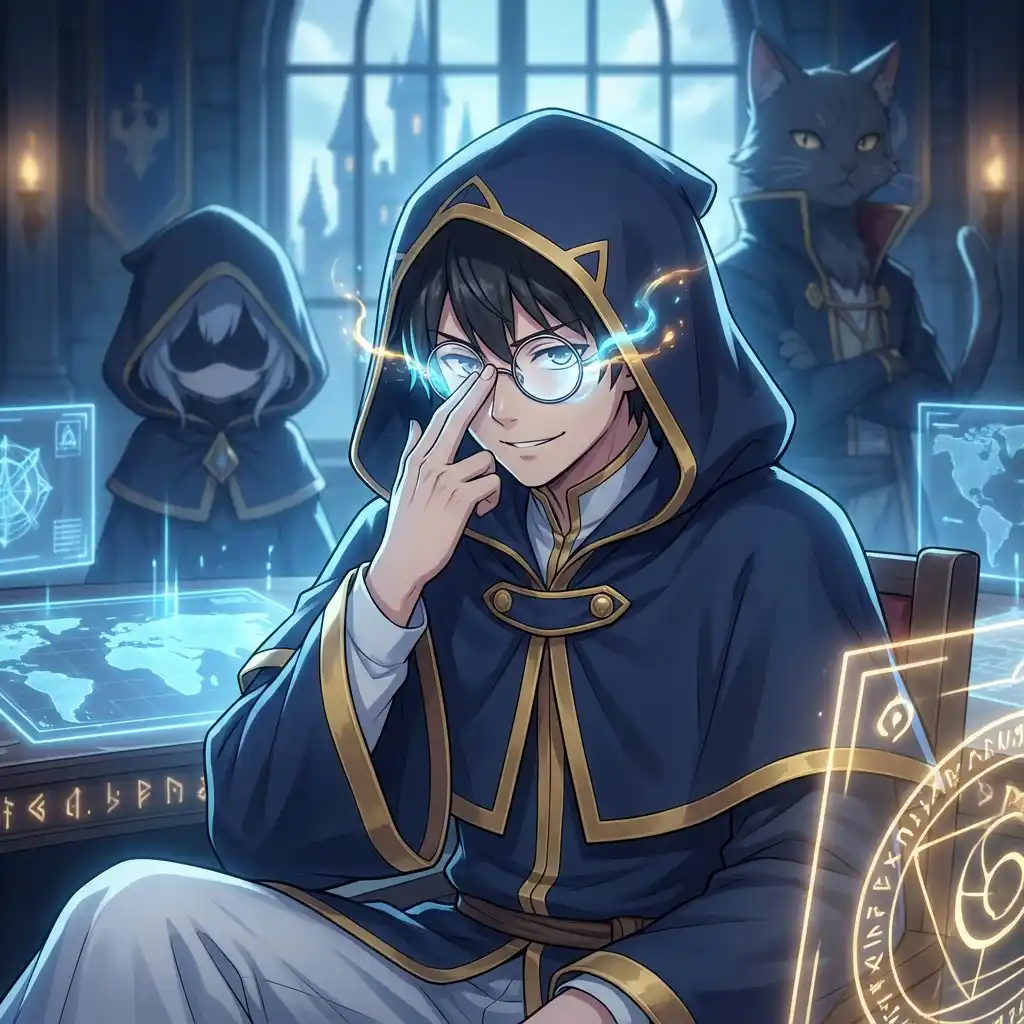
Log Horizon is often compared to Sword Art Online, but it couldn't be more different. While other series focus on individual strength, Log Horizon is a masterclass in sociology, politics, and world-building. It doesn't treat its setting merely as a backdrop for action, but as a living, breathing system with real consequences.
Score: 8.5/10
Pros: Deep strategic mechanics, Riveting political world-building, Fascinating NPC evolution.
Cons: Pacing slows down in mid-seasons, Long production gaps affected momentum.
The Elder Tale Aesthetic: Functional Consistency and Strategic Clarity
Produced initially by Satelight and later by Studio Deen, the visual presentation of Log Horizon is purposeful and distinct. While it avoids the over-the-top spectacle of typical battle shonen, its strength lies in its meticulous attention to detail. The UI design, character menus, and tactical overlays are all rendered with precision, serving the story’s intellectual focus. This consistent visual language ensures that even the most complex strategic maneuvers remain clear and engaging for the viewer.
The Sociology of Isekai: Rebuilding Civilization from the Ground Up
Unlike most isekai entries that focus on escaping the virtual world, Log Horizon is a deep dive into how society functions. When thousands of players are trapped in Elder Tale during the "Catastrophe," the narrative doesn't just focus on monsters—it focuses on economics, law, and land ownership. The series explores the moral and political implications of a lawless land transforming into a functioning city-state, making it one of the most intellectually rewarding experiences in the genre.
Shiroe: The "Villain in Glasses" Redefining the Rules
Shiroe is the antithesis of the typical sword-wielding protagonist. Known as the "Villain in Glasses," he solves his problems through diplomacy, economic sabotage, and macro-level strategy. His brilliance isn't in his reflexes, but in his deep understanding of raid mechanics and human psychology. Supported by a diverse cast—from the lethal Akatsuki to the wise Nyanta—Shiroe leads a revolution that challenges our expectations of what a hero can be.
Closing Thoughts: The Thinking Man’s Isekai
Log Horizon remains one of the smartest representations of the isekai genre ever conceived. It is a show built for those who love the underlying mechanics of a world—how it functions, how it fractures, and how it can be rebuilt through collective strategy. If you prefer intellectual warfare over mindless action, this series is an indispensable addition to your watchlist.
But we want to know—what was the moment Log Horizon truly hooked you? Was it Shiroe’s first major geopolitical play, or the fascinating evolution of the "People of the Land"? Let’s discuss your favorite strategic moments in the comments below!
You might also like
Sha Naqba Imuru: Gilgamesh's Most Broken Ability Explained
Why is Gilgamesh actually unbeatable? Sha Naqba Imuru is the reason. Where to watch Fate/stay night? Crunchyroll and Netflix.
![The Ultimate Fate/strange Fake Guide: Canon, Timeline, Watch Order & Everything Explained [2026]](https://cdn.visualotaku.com/images/fate-strange-fake-ultimate-guide-hero.webp)
The Ultimate Fate/strange Fake Guide: Canon, Timeline, Watch Order & Everything Explained [2026]
Is Fate/strange Fake canon? Where does it fit in the timeline? Watch order? All your questions answered in one place. Streaming on Crunchyroll.
No Saber Class? The 5 Broken Rules of Fate/strange Fake's False War
Why the Snowfield Holy Grail War has no Saber class, 13 Servants, and runs on a 'modded' Grail system. Full mechanics breakdown.