Dragon Ball Veterans Draw Line in Sand: Japan Actors Union Drops War-Room AI Rules
Dragon Ball cast unites with Japan Actors Union to drop emergency AI guidelines. Voice cloning fight starts now.
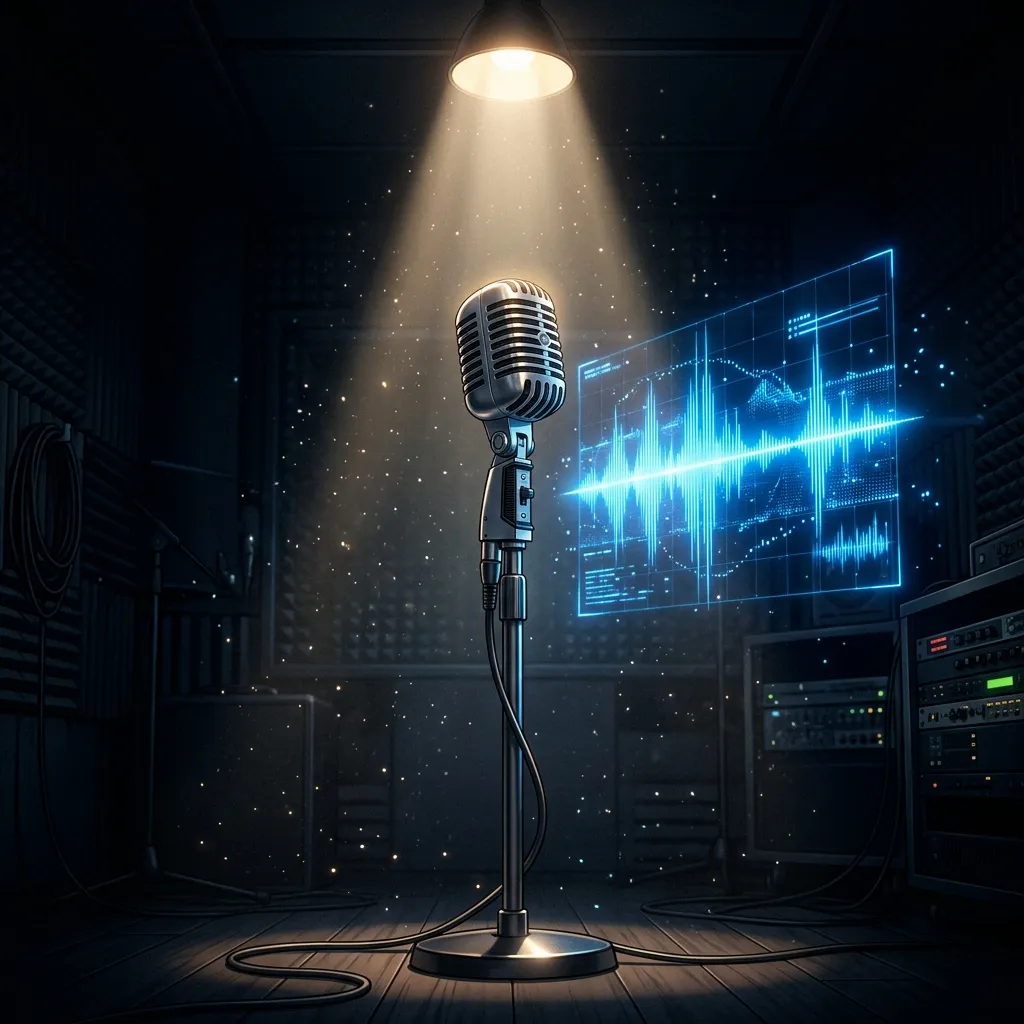
Corporate production committees salivate over synthetic voice models. Legendary voice talent says no.
Japan Actors Union (JAU)—veteran labor backbone representing thousands of performers across anime and entertainment—stepped directly into production committee crosshairs. Flanked by iconic Dragon Ball cast members, union executives delivered comprehensive operational guidelines regulating generative AI voice cloning, scraping, and unconsented digital reproduction across Japanese media.
This not polite advisory memo. This tactical survival strike.
| Technical Specs | Detail |
|---|---|
| Organization | Japan Actors Union (Nippon Haiyu Rengo) |
| Involved Figures | Dragon Ball cast representatives, JAU Steering Board |
| Focus Scope | Commercial generative AI voice cloning, training sets, contract protections |
| Primary Affected Studios | Toei Animation, Bandai Namco Filmworks, Studio Pierrot, MAPPA |
The Open Vault: Why Studio Executives Hunt Synthetic Voices
Japanese entertainment conglomerates bleed money on production bottlenecks. Executive boards see voice talent as recurring balance-sheet friction: union minimums, scheduling delays, studio rental, residuals, medical leaves. Voice cloning software promises production committees holy grail: infinite runtime, zero talent fee, eternal legacy character utilization.
Japan Copyright Act Article 30-4 built perfect disaster. Revised in 2018, law created broad exception allowing machine learning algorithms to scrape commercial intellectual property without copyright holder permission, provided extraction does not "unreasonably prejudice copyright owner interests." Big Tech interpreted statutory loophole as free license. Tech firms scraped decades of pristine archival audio from broadcast masters, radio plays, drama CDs.
Result? Flawless deepfake vocal replicas flooding video games, automated pachinko machines, unauthorized fan mods. Toei Animation and game publishers license characters; dead or aging voice actors get replicated overnight without single yen reaching talent or estate. JAU saw corporate playbook. JAU moved to shut down trap.
Masako Nozawa and Dragon Ball Veterans: Flesh Over Silicon
Press conference staging sent explicit message across industry corridors. Bringing Dragon Ball talent to microphone meant targeting foundational financial pillar of global anime industry. When voices powering global multi-billion-dollar franchise state their craft faces theft, international licensors sweat.
Performers like Masako Nozawa (Goku) and Toshio Furukawa (Piccolo) represent half-century of vocal masterwork. Unique vocal resonance—hyper-compressed rasps, explosive ki shouts, precise comedic cadences—took decades of physiological conditioning. Synthetic algorithms synthesize pitch, timber, waveform in ninety seconds flat.
"Voice is identity; voice is human organ," union representatives emphasized. JAU guidelines mandate four non-negotiable clauses for future talent agreements:
1. Explicit opt-in consent for any dataset ingestion.
2. Separate, clearly itemized compensation packages if performance data trains internal models.
3. Absolute prohibition of post-mortem digital voice generation without explicit living contract.
4. Mandatory credit and compensation parity when hybrid automated dubbing tools assist workflows.
Committees wanted cheap compliance. JAU drew fortified trench line.
Studio Politics: Toei, Aniplex, and the Cost-Cutting Machine
Anime studios run razor-thin operating margins while parent conglomerates record historic profits. Sound production houses (like Half HP Studio, Sound Team Don Juan, Magic Capsule) face ruthless pricing squeeze from production committee financiers. Sound directors endure slashed schedule turnarounds.
Automated audio workflows already seep into secondary production layers. Crowd dialogue, background walla, non-playable character audio in companion gaming tie-ins increasingly rely on algorithmic generation. Voice talent agencies (Aoni Production, 81 Produce, Arts Vision) historically wielded immense booking leverage. If committee simply runs clean seed audio from episode one through proprietary neural synthesizer, sound agency loses leverage entirely.
Studio executives privately frame AI adoption as safeguard against creator mortality. Akira Toriyama passed away; voice talent ages out. Corporate stakeholders dread day iconic properties face recasting backlash. Their solution? Synthesize originals forever. JAU saw cold corporate calculus and moved first.
What Fandom Is Screaming About On X & Reddit
Social channels erupted minute press conference footage reached feeds. Voice actor fandom in Japan and international sakuga/seiyuu communities united behind veteran talent, though tech skeptics voiced grim reality checks.
"If Toei or Bandai think we will accept an algorithm screaming Kamehameha instead of Nozawa-san, they understand nothing about why Dragon Ball survived four decades." — @ShenronLegacy on X
"Massive respect to JAU. Article 30-4 in Japan's copyright law is an absolute disaster for creatives. Without strict union contracts, production committees will clone entire cast lists by 2030." — u/NeoTokyoDrifter on Reddit
"The gaming companies already do this for non-critical assets. Anime dubbing and original audio were the last line of defense. Glad the Dragon Ball crew put their weight behind this before cheap producers replaced junior seiyuu entirely." — MyAnimeList Community Discussion
Fandom sentiment reads clear: disgust at synthetic replacement, mixed with cynical dread regarding corporate compliance loop-holes."Executive committees don't care about soul; they care about balance sheets. These guidelines need statutory backing with teeth, or studios will just contract non-union newcomers who sign away AI rights under duress." — @KanseiDrift on X
The Legal Standoff Ahead
Guidelines carry zero statutory weight without direct contractual enforcement. JAU operates as trade association and bargaining unit, but Japanese labor regulations do not grant union absolute closed-shop leverage comparable to SAG-AFTRA in Hollywood. Production committees can bypass union rosters by hiring unrepresented talent, amateur internet creators, foreign voice actors willing to sign digital rights waivers.
Battle now shifts to agency collective bargaining. If premier talent agencies refuse to sign standard production master contracts without JAU AI-riders attached, committee capitulates. If single major agency flinches to secure prestige seasonal slot, entire defensive front shatters.
Calculus stays brutal. Technology will not un-invent itself. Voice acting remains sacred human craft or cheap downloadable weights file.
Corporate suites made bet; veteran seiyuu just made theirs.
You might also like
Dragon Ball Super Episode 14 Review: Godly Stratosphere Clash Saves Shaky Arc
Dragon Ball Super Episode 14 review: Goku vs Beerus stratosphere climax delivers brutal hits, emotional weight, and fixes movie climax flaws.
Why Japan Actors Union Drew Red Line on Generative AI (And What It Means for Anime Voice Acting)
Japan Actors Union launches strict generative AI rules with Dragon Ball cast backing. Here is how it impacts anime voice acting.
The AI Infection: 5 Anime Projects Actually Made by Robots
From Netflix's backgrounds to Twins Hinahima's 95% AI pipeline. Here are the anime officially using AI. Where to watch? Mostly online projects, if you can stomach them.