Why Japan Actors Union Drew Red Line on Generative AI (And What It Means for Anime Voice Acting)
Japan Actors Union launches strict generative AI rules with Dragon Ball cast backing. Here is how it impacts anime voice acting.
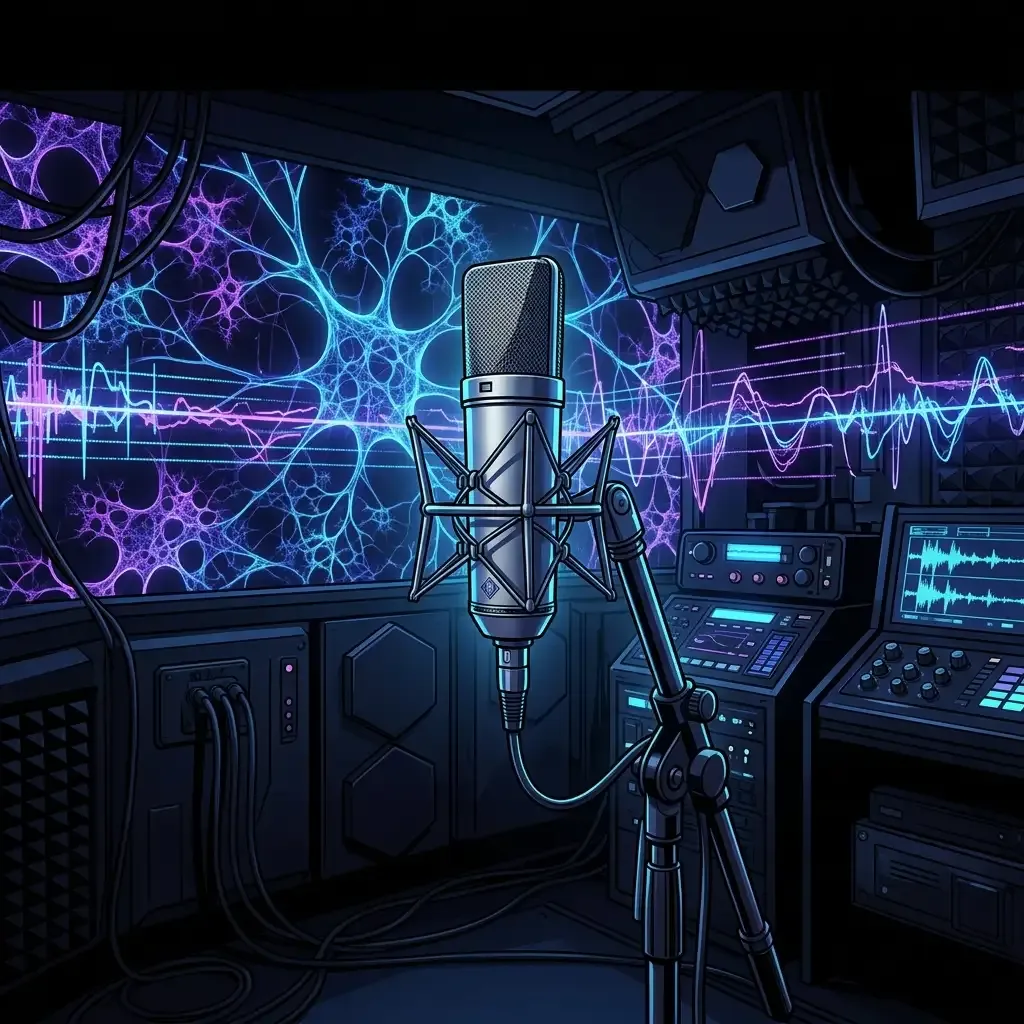
Think corporate suits will spare your favorite seiyuu while tech execs scrape audio tracks for scrap value? Think again. Japan Actors Union (JAU) slammed brakes on studio heads and tech firms trying to turn human legacy into cost-slashed synthetic speech models.
When veteran voices behind icons like Dragon Ball step into press rooms to declare war on unlicensed generative model scraping, anime faces existential reckoning. This is not theoretical debate over vocal filters. It is legal battle over soul of Japanese animation production.
| Technical Specs | Detail |
|---|---|
| Initiator | Japan Actors Union (Nippon Haiyu Rengo) |
| Key Figures | Dragon Ball cast delegates, JAU Voice Acting Committee |
| Core Mandate | Generative AI Rights, Voice Synthesis Licensing & Fair Compensation Framework |
| Scope | TV Anime, Theatrical Films, Games, Global Localization |
| Status | Formally Adopted Industrial Guidelines (2026) |
The Silicon Valley Heist Meets Tokyo Production Committees
Production committees love cutting margins. For decades, voice actors bore brunt of traditional industry squeezes: stagnant base rates locked by rank systems established in 1970s, gruelling multi-hour recording blocks, zero residual pay for international streaming blowouts on Crunchyroll or Netflix.
Generative audio tools like ElevenLabs and proprietary studio synthesis suites gave corporate boards temptation they could not resist. Why pay veteran talent day rates for crowd loops (gaya), background NPCs, or foreign localization when scraped audio databases produce passable replica for fractions of cent?
JAU drew legal boundary. New guidelines establish three binding pillars:
1. Explicit, opt-in consent required prior to training neural models on performer audio.
2. Ban on unauthorized post-mortem or legacy voice recreation.
3. Mandatory royalty structures where synthesized speech supplements human voice work in games and background sequences.
Without these rules, mid-tier and rookie voice actors would vanish before securing breakout role.
Generational Titans: Why the Dragon Ball Cast Mobilized
When greenhorn voice talent complains about exploitation, production committees write them off. When core cast of Dragon Ball steps in, Tokyo boardrooms listen.
Veteran legends built entire modern soundscape of shonen anime through physical, vocal degradation over four decades. Screaming Kamehameha ruptures vocal cords. It demands physical presence, nuanced breath control, instinctive timing honed through theatrical craft. Tech startups view that blood and sweat merely as multi-gigabyte training dataset to extract into clean .onnx file.
During press conference, senior cast outlined brutal reality: deepfake parodies, unauthorized synthetic voice mods in video games, automated translation tools scraping distinctive vocal timbres without single yen routed back to original talent. Guidelines demand studios treat biological voice print as unalienable biometric asset, not incidental corporate property owned by production committee.
Traditional Audio Direction vs. Algorithmic Deadness
Anime audio direction separates masterpieces from disposable slop. Legendary sound directors like Masafumi Mima (Attack on Titan, My Hero Academia) do not just record lines; they extract subtext, micro-pauses, broken breaths that defy quantized algorithmic timing.
Generative voice models produce flat emotional cadence. They nail timbre while butchering emotional context. When machine synthesizes line, it mimics past averages. It cannot interpret director screaming across glass pane to deliver grief tinged with unspoken rage.
By forcing production companies to sign explicit non-scraping covenants, JAU protects creative directors from cost-slashing studio executives who would happily compromise artistic intensity to save three percent on audio post-production.
What Fandom Is Screaming About On X & Reddit
Online discourse exploded across social platforms immediately following JAU press event. Community split between purists demanding absolute AI bans and realists worrying pirate networks render domestic Japanese guidelines toothless.
"If Toei or any production committee tries to replace legends with automated voice seeds to save cash, they kill the medium. Voice acting is half the sakuga." — @GokuKameha99 on X
"Japanese copyright law has been notoriously weak against machine learning scraping. JAU taking this stand is monumental, but unless foreign tech firms face actual cross-border statutory damages, scrapers will keep ripping audio from Blu-rays anyway." — u/SakugaScholar on Reddit
Community anger is warranted. Western fans watched video game voice actors fight identical SAG-AFTRA contract wars. Seeing Japanese legends demand same protections proves synthetic exploitation knows no borders."Imagine thinking a prompt can replicate 88-year-old Masako Nozawa pouring raw life into Goku. Good luck synth-bros, you cannot compute human soul." — MyAnimeList Community Discussion
The Line in the Sand
Algorithms copy past art; human voice actors create future culture.
JAU handed anime industry clear ultimatum: honor artists behind microphone, or watch voice craft drown in sea of synthetic sludge.
You might also like
Dragon Ball Veterans Draw Line in Sand: Japan Actors Union Drops War-Room AI Rules
Dragon Ball cast unites with Japan Actors Union to drop emergency AI guidelines. Voice cloning fight starts now.
The Death of TV Anime? Movie Finales and the AI Ghost in the Shell
The anime industry is at a breaking point. From waiting 6 months for a canon movie finale to the controversial rise of AI background art—is the soul of anime for sale?
Power Scaling is Stupid: Why Goku vs Saitama Will Never Have an Answer
The most pointless debate in anime history that we absolutely cannot stop having. A breakdown of why cross-universe power scaling is fundamentally broken.