Why Borneo's Regional 'Hokage' Wants Local Animators To Ditch Generic Tropes
Kuching's civic leadership challenges regional creators to leverage Borneo lore for original global animation.
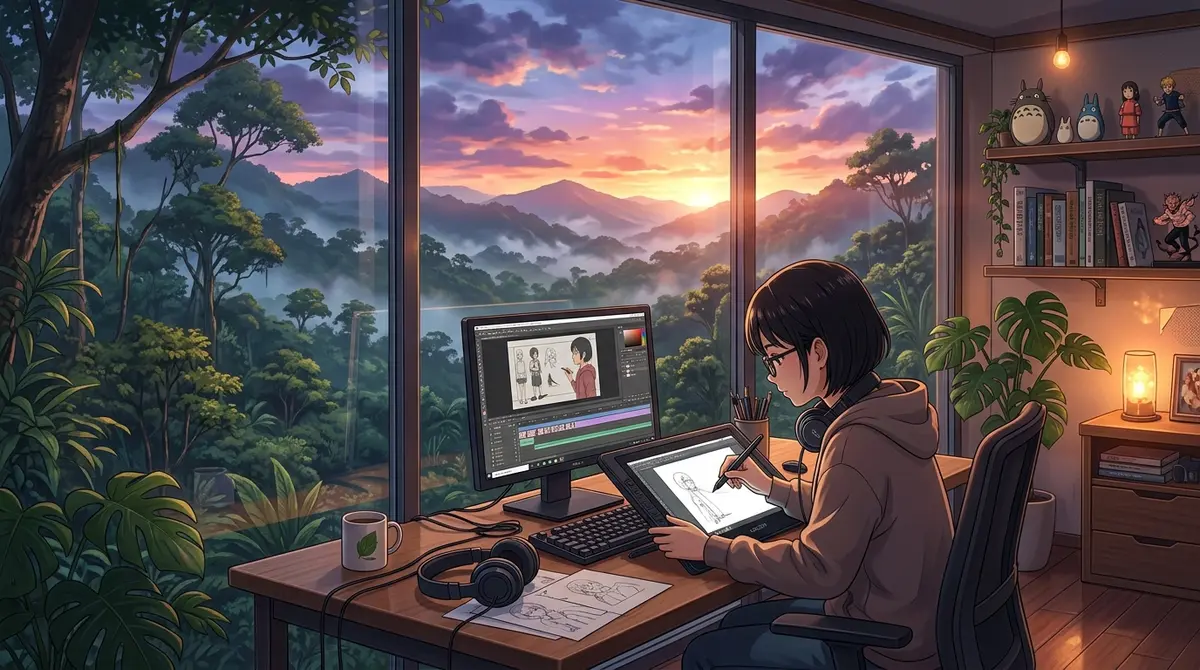
Can regional folklore break anime's endless cycle of cookie-cutter fantasy worlds? Kuching South City Council's leadership—popularly dubbed the local 'Hokage'—publicly challenged Sarawak's young digital artists to stop copying tired aesthetic molds and instead build globally competitive animation anchored directly in Borneo's cultural identity.
| Technical Specs | Detail |
|---|---|
| Original Creator | N/A (Regional Industry Initiative) |
| Studio | Independent / Sarawak Creative Sector |
| Format | Industry Call-to-Action |
| Streaming | N/A |
Breaking The Monoculture: Borneo Lore Over Cookie-Cutter Tropes
The civic leadership's call demands direct intervention in how Southeast Asian animators position themselves. Rather than churning out derivative visual novels or Western-mimicking fantasy, regional artists possess untapped indigenous histories, unique biomes, and complex tribal mythology that global audiences have never experienced in high-production animation.
The adoption of anime's premier leadership title—borrowed straight from Naruto Uzumaki—highlights how deeply Japanese pop culture shapes modern governance vernacular in Asia. Yet the core directive cuts opposite to imitation: stop consuming foreign mythology passively, and start packaging domestic folklore into high-value intellectual property capable of commanding international distribution.
Southeast Asia already houses critical outsourced pipeline labor for major Tokyo studios; converting that raw technical execution into domestic IP ownership remains the real creative frontier.
You might also like
Why Naruto 'Shadow Rising' Manga and 'Ninku' Crossover Upend Franchise Future
Masashi Kishimoto officially unveils Naruto: Shadow Rising manga alongside surprise Naruto x Ninku crossover anime series.
Why Anime Expeditions Crow Build Breaks Meta (And What It Means For Itachi Fans)
Eurogamer drops Crow build guide for Anime Expeditions. Breakdown shows why Itachi archetype dominates combat meta.
Why Naruto's Uchiha Clan Lore Runs Deeper Than Surface Shonen Rivalry
Deconstructing the mythological roots behind the Uchiha clan's curse of hatred, from Shinto deities to Vedic concepts.